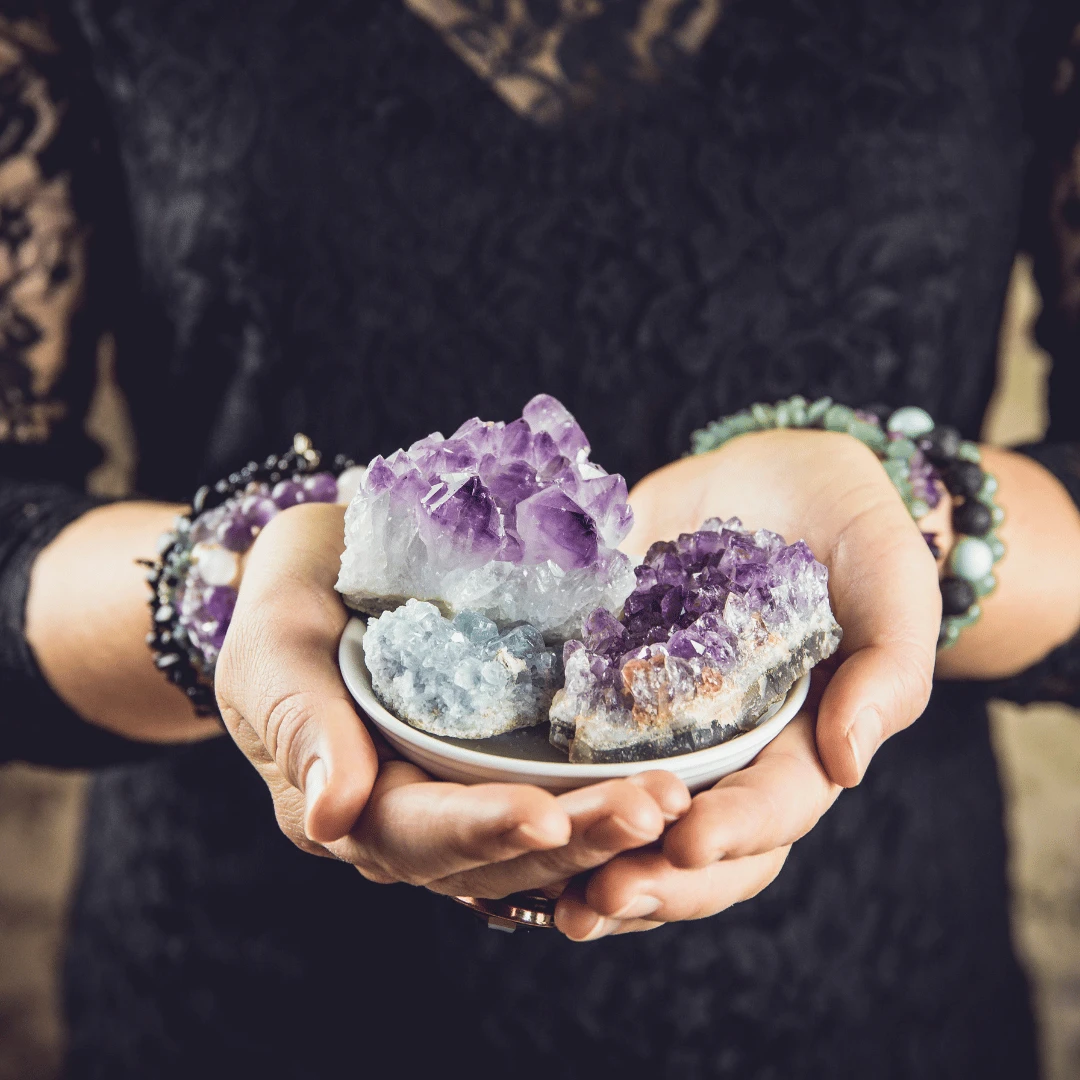
Growing, Collecting, and Sourcing Ethically | Crystal Cove
07/01/2026 • 3 min read
Learn how growing, collecting, and sourcing ethically protects the planet, supports communities, and ensures responsible crystal practices.
At Crystal Cove, we believe that awareness and intention matter — not just in the metaphysical qualities of stones, but in how they arrive in your hands. This blog explores growing-collecting-and-sourcing-ethically as it applies to crystals, minerals, and gemstones.
Whether you’re new to crystal collections or a seasoned enthusiast, grounding choices in ethical practices enhances your connection with these natural treasures and supports a healthier planet.
🤝 Understanding Ethical Sourcing
Ethical sourcing means obtaining crystals and minerals in ways that protect ecosystems, respect communities, and promote fairness throughout the supply chain. It involves more than avoiding harmful production — it embraces stewardship. You’re choosing products made with attention to environmental health and human dignity.
🌍 Environmental Impacts of Mining
Mining can be disruptive. Open-pit excavation, water displacement, and habitat destruction are just a few challenges linked with extraction. Even smaller artisan operations can impact local land and water systems if not managed responsibly.
By focusing on growing-collecting-and-sourcing-ethically, we shine a light on low-impact practices — such as regenerative land management, selective hand-dug extraction, and rehabilitation of mined sites.
👩🏭 Social Responsibility & Fair Practices
Crystal mining happens in communities around the world — from Brazil and Madagascar to the United States and beyond. Many families depend on this work for income.
Ethical sourcing includes:
- Fair wages and safe working conditions
- Empowering local stakeholders
- Avoiding exploitative labour practices
Fair trade principles ensure miners receive respect and recompense for their work, creating a cycle of sustainability and community wellbeing.
📦 Transparency in Supply Chains
Ethical practices require honesty. When sellers openly share information about where crystals come from and how they were mined, consumers can make informed choices.
Look for:
- Origin disclosure
- Verified miner partnerships
- Photographs or documentation from source locations
Transparency builds trust and helps eliminate unethical intermediaries.
🔬 Sustainable Growing & Lab-Created Gems
Not all ethically sourced gems are mined — some are lab-grown. These can offer the beauty and energetic qualities of natural crystals with a drastically reduced ecological footprint.
Examples include:
- Synthetic quartz
- Cultured gemstones
- Computer-grown diamonds
While not “natural” in the traditional sense, they align with ethical sourcing by minimizing disruption to the Earth.
🧭 Collecting Locally & Respectfully
Field enthusiasts often enjoy finding crystals in their natural terrain. Ethical field collecting involves:
- Respecting private property and protected lands
- Limiting removal to small, non-disruptive quantities
- Leaving ecosystems intact
Always research regulations before digging — many areas require permits or prohibit collecting altogether to protect fragile landscapes.
🌺 Cultural and Indigenous Respect
Many crystals have cultural importance — from traditional healing practices to spiritual rituals. Honouring these histories means:
- Avoiding cultural appropriation
- Learning from Indigenous perspectives
- Supporting community-led crystal initiatives
Understanding cultural context deepens appreciation and preserves heritage.
🏷️ Certification and Standards
Certifications exist to help consumers differentiate between responsibly produced and conventionally sourced crystals. While not all ethical operations are certified (especially small-scale miners), look for:
- Fair Trade labels
- Environmental stewardship seals
- Third-party audit verification
These standards help regulate ethical protocols.
🛍️ Ethical Retail Practices
Ethical retailers commit to:
- Transparent product sourcing
- Fair pricing reflective of labour and resource value
- Education about crystal origins
- Supporting sustainability initiatives
At Crystal Cove, we share stories of our crystals — where they’re from, who sourced them, and how we support ethical practices at every step.
📘 Consumer Awareness Tips
As a shopper, here’s how you can support growing-collecting-and-sourcing-ethically:
✔ Ask where the crystal was mined or grown
✔ Choose retailers who share source information
✔ Support local artisans and ethical brands
✔ Avoid impulse buys from unknown or dubious sources
✔ Learn about the ecological footprint of each stone
Your choices ripple outward — and mindful selection matters.
Crystals are more than beautiful stones — they carry stories of ancient Earth, human hands, and community relationships. Choosing growing-collecting-and-sourcing-ethically invites deeper respect for nature and for the people connected to these treasures.
When you choose ethically, you’re aligning your passion with purpose — supporting healing, harmony, and a brighter future for our planet.
Shop This Crystal Collection
Looking for the perfect Amethyst or Lepidolite? We recommend high-quality stones from our trusted partners.
View Crystals