Introduction: From Mediaeval Alchemy to Modern Metaphysics
From Mediaeval Alchemy to Modern Metaphysics is more than a historical narrative—it is a story of humanity’s enduring fascination with the unseen forces of nature. For thousands of years, crystals have occupied a unique space between science, spirituality, and symbolism. Once studied by medieval alchemists as vessels of cosmic power, crystals are now embraced in modern metaphysics for healing, mindfulness, and spiritual growth.
This article traces how crystals transitioned from the laboratories of medieval Europe—filled with superstition, early chemistry, and sacred philosophy—into today’s spiritual practices rooted in metaphysics and personal transformation. By understanding this evolution, we gain insight into why crystals continue to captivate the human imagination across cultures and centuries.
A Brief Overview of Mediaeval Alchemy
Alchemy in medieval Europe was not merely about turning lead into gold. It was a holistic discipline that combined early science, philosophy, astrology, and spirituality. Alchemists believed that all matter was interconnected and governed by hidden laws of transformation.
Core Beliefs of Medieval Alchemists
- Nature was alive with spiritual energy
- Minerals and crystals held divine intelligence
- Transformation of matter mirrored transformation of the soul
Prominent figures such as Paracelsus argued that minerals possessed healing properties and that crystals could influence both physical and spiritual health. In this worldview, crystals were not decorative objects—they were tools for understanding the universe.
Crystals as the Bridge Between Science and Mysticism
In medieval thought, crystals were considered perfect substances, believed to grow inside the Earth over vast periods of time under celestial influence. Quartz, for example, was thought to be “eternal ice,” frozen so deeply within the Earth that it could never melt.
This belief positioned crystals as a bridge between:
- The material world (earth, minerals, matter)
- The celestial realm (planets, stars, divine order)
Alchemists used crystals in rituals, meditation, and early medicinal practices. These stones were believed to amplify intention and align the human spirit with cosmic harmony.
The Philosopher’s Stone and the Symbolism of Transformation
No symbol captures the essence of alchemy better than the Philosopher’s Stone. Contrary to popular myth, it was not always imagined as a literal stone. Often, it symbolized enlightenment, perfection, and spiritual awakening.
Crystals became associated with this ideal because of their clarity, structure, and durability. They represented:
- Purity of intention
- Balance between opposites
- The perfected human soul
These symbolic meanings would later resurface in modern metaphysics, where crystals are seen as tools for inner growth rather than material gain.
The Decline of Alchemy and the Rise of Modern Science
By the 17th century, alchemy began to lose credibility as empirical science gained prominence. Figures like Isaac Newton, who secretly studied alchemy, stood at the crossroads of mystical tradition and scientific revolution.
As chemistry emerged as a formal discipline, spiritual interpretations of minerals were largely dismissed. Crystals became objects of:
- Geological classification
- Chemical analysis
- Industrial use
Yet, the metaphysical associations never fully disappeared—they simply retreated from mainstream academia.
Crystals in Indigenous and Ancient Spiritual Traditions
Long before medieval Europe, crystals played vital roles in ancient cultures worldwide.
Examples Across Civilizations
- Ancient Egypt: Lapis lazuli for protection and divine connection
- China: Jade as a symbol of harmony and immortality
- India: Crystal malas used in meditation and energy alignment
- Indigenous Australia: Stones as spiritual anchors to land and ancestry
These traditions preserved metaphysical interpretations of crystals even as Western science moved away from them.
The Birth of Modern Metaphysics
Modern metaphysics emerged in the 19th and 20th centuries, blending Eastern philosophy, Western mysticism, and psychology. Movements such as New Thought and Theosophy revived interest in subtle energies and spiritual consciousness.
Crystals re-entered public awareness as tools for:
- Energy balancing
- Meditation enhancement
- Emotional and spiritual healing
This marked the transition from Mediaeval Alchemy to Modern Metaphysics in its clearest form.
How Crystals Are Used in Today’s Spiritual World
Today, crystals are widely embraced in wellness and spiritual communities. While not a replacement for medical care, many people find them meaningful as symbolic or meditative tools.
Popular Modern Uses
- Mindfulness practices
- Chakra alignment
- Manifestation rituals
- Personal intention setting
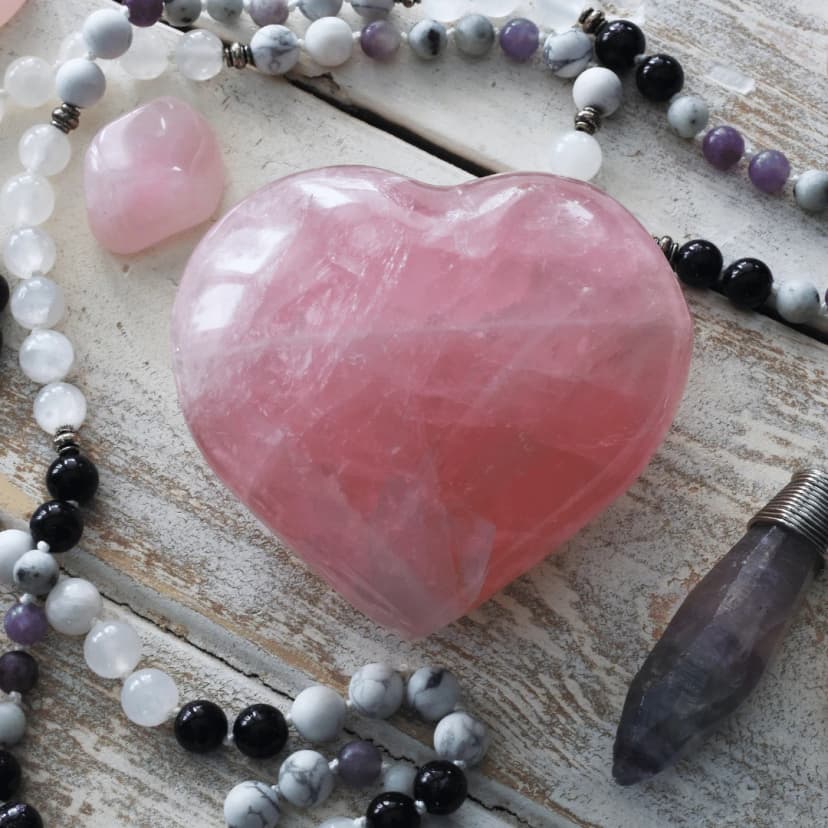
Crystals such as amethyst, rose quartz, and clear quartz are often chosen for their perceived energetic qualities and historical symbolism.
Science vs Belief: A Balanced Perspective
Modern science explains crystals through atomic structure and lattice geometry. Interestingly, quartz is used in watches and electronics because of its piezoelectric properties, which allow it to generate energy under pressure.
While science does not validate metaphysical claims, this overlap between physical properties and symbolic meaning keeps crystals relevant in both worlds.
Why Crystals Still Matter Today
Crystals endure because they speak to something deeply human:
- Our desire for meaning
- Our connection to nature
- Our search for balance and transformation
From medieval laboratories to modern meditation rooms, crystals continue to serve as mirrors of our inner world.
Frequently Asked Questions (FAQs)
1. Is crystal healing scientifically proven?
No. Crystal healing is considered a spiritual or symbolic practice rather than a scientific treatment.
2. Why were crystals important in medieval alchemy?
They symbolized purity, transformation, and divine order—key concepts in alchemical philosophy.
3. What is modern metaphysics?
Modern metaphysics explores consciousness, energy, and reality beyond physical matter, often blending philosophy and spirituality.
4. Are crystals linked to chakras?
In modern metaphysical systems, crystals are often associated with chakras as symbolic energy centers.
5. Can crystals replace medical treatment?
No. Crystals should complement, not replace, professional medical care.
6. Why are crystals popular again today?
Increased interest in mindfulness, wellness, and spiritual self-care has renewed their appeal.
Conclusion: From Mediaeval Alchemy to Modern Metaphysics
From Mediaeval Alchemy to Modern Metaphysics is a journey that reflects humanity’s evolving understanding of the universe and ourselves. Crystals have transformed from sacred substances in early science and superstition into powerful symbols of personal meaning in today’s spiritual world.
While interpretations have changed, the essence remains the same: crystals remind us that transformation—whether of matter, mind, or spirit—is always possible.
For those seeking deeper insight into crystals and their modern spiritual applications, explore thoughtfully curated resources at www.crystalcove.com.au, where history and metaphysics continue to meet.